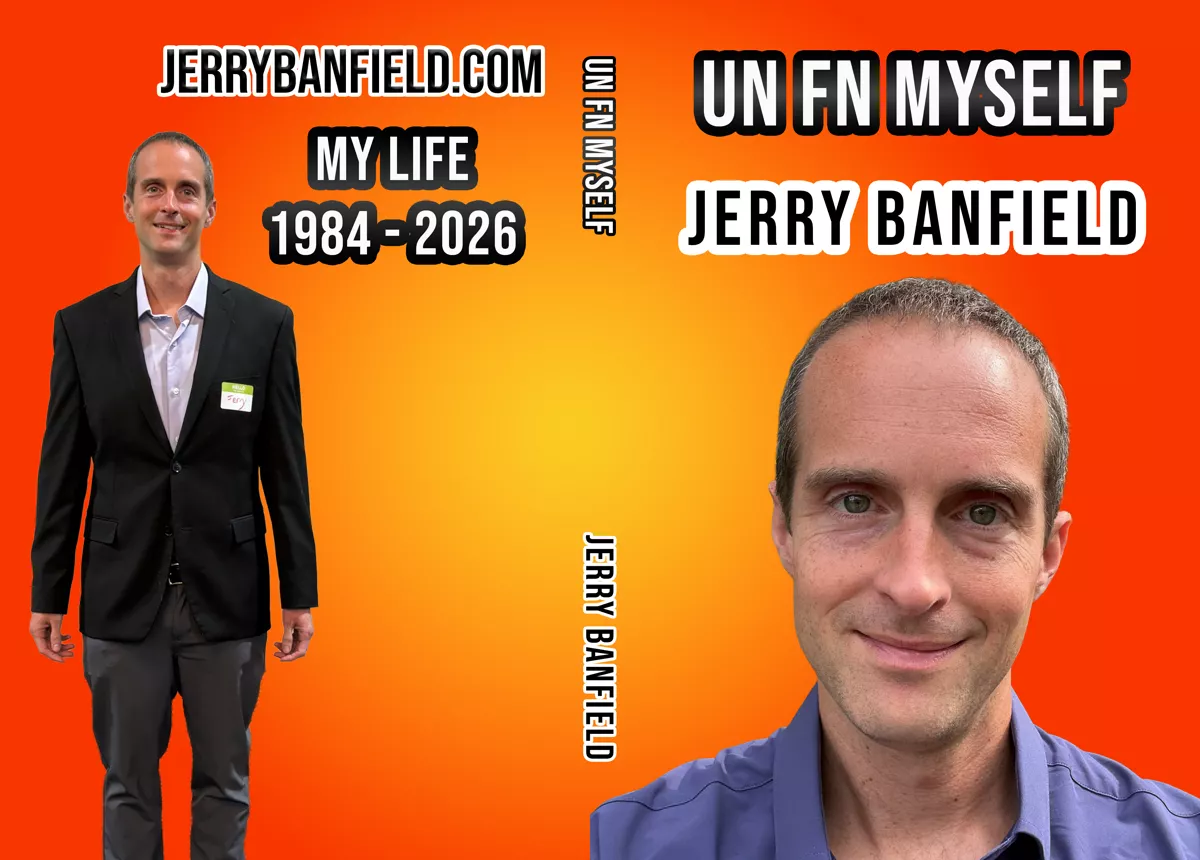
This is an excerpt from my full-life memoir, Un Fn Myself — my real story of addiction, recovery, fatherhood, and everything in between from 1984 to 2026, including the parts most people would cut out.
For the moment, I fully spearheaded the move to St. Petersburg, even though it meant completely disrupting a life that was working. Right around that same time, in the summer of 2016, just before we relocated, we took a trip to Michigan. By then, after a full year of meticulously tracking my calories, I was growing increasingly frustrated with persistent rashes on my chest that seemed tied to my diet. I had tried various elimination diets with no real success. Nothing clearly explained the flare-ups, though sugar appeared to be involved. Whenever I ate it, the rashes seemed to worsen, but I couldn’t pinpoint a single cause or solution on my own.
Eventually, out of pure frustration, I asked my uncle, a doctor, what he would recommend. I told him I was desperate and genuinely wanted to fix whatever was going on with my body. His response was simple: he told me to read How Not to Die. He loved that book and recommended it constantly, and he said it laid out how diet could help prevent the top fifteen causes of death. At the time, I was completely closed off to any major dietary changes, especially anything that involved giving up meat or cheese. My typical breakfast was a massive burrito first thing in the morning—lots of eggs, plenty of salsa, a flour tortilla, and a heavy dose of cheese. My ex-wife would sometimes throw crushed Tostitos into it for extra crunch. I loved steak. I loved ice cream and cake. I tracked all the calories for everything I ate, so in my mind, it was all perfectly fine.
I ate every kind of meat imaginable—hot dogs, hamburgers, fish—and I even bought farm-raised salmon of all things. I would eat it and proudly talk about how healthy I was being, convinced I was doing something great for my body. In hindsight, I realize how powerful the placebo effect really is. I had absolutely zero interest in switching to a whole-food, plant-based or vegan diet. None. I felt exactly the same way people tell me today: I love steak. I could never give that up. I was right there with them. I had no intention of doing without it. What I did want, though, was to feel like I had control over my body again. I was frustrated. Even at 190 pounds, I felt like I still had more fat than I wanted, and I had clearly hit a plateau. On top of that, I was getting tired of tracking every single calorie, every single day.
As we began our return trip home, we arrived at Detroit Metropolitan Airport and went out to eat—an early lunch or late breakfast. It was just my ex-wife, my daughter, and me. I had barely eaten anything that morning. I was in an amazing mood, genuinely happy about the trip we’d taken together and excited to sit down for a meal as a family. Everything felt magical with my daughter at that age—doing ordinary things together, traveling, sharing meals. At the restaurant, I ordered a massive meal. I had at least five different kinds of meat on the plate: shrimp, beef, pork, salmon, and something else—maybe scallops. There were heavy amounts of added oil, salt, and sugar, and the portion size was enormous. I couldn’t even finish it all, though I ate a lot.
Within minutes of walking out of the restaurant, I felt a dramatic shift. My thoughts, which had been joyful and light, began to darken rapidly. By the time we walked from the restaurant to our terminal, my mind had gone from feeling euphoric to thinking about drinking at the airport bar. By the time we sat down at the gate, my thoughts had turned very dark. I remember thinking, Fuck, I’m two years sober and I can’t stop thinking about drinking. Then I caught myself and questioned the entire mental spiral. What the hell just happened? Thirty minutes earlier, I had felt peaceful, happy, and deeply content.
That’s when it hit me. The food I had just eaten was coursing through my body and directly shaping the thoughts I was having. That realization shocked me. I remember thinking, Holy shit. The food I eat can create depressive thoughts. The food I choose can completely destroy my mood and energy. It suddenly felt like an enormous amount of power I hadn’t known existed. For most of my life, I had believed that food had little to do with how I thought or felt emotionally. Sitting there in Detroit Metropolitan Airport, that belief collapsed. What I eat directly affects how I think and how I feel—and that changed everything.
After that experience, it was obvious I needed to read the book my uncle had recommended. Something fundamental was happening in my body and mind that I clearly didn’t understand, and I was finally willing to change if it meant having clearer, happier thoughts. On the flight home from Michigan, I put on the audiobook of How Not to Die and listened to it straight through on the plane. Somewhere midair, I made the decision that I was going to start applying what I was hearing immediately. As I listened, I could tell—through my own discernment—that what the book was saying was true and that it would work for me.
The core idea was straightforward but radical compared to anything I had followed before. Dr. Michael Greger explained that after reviewing extensive medical research, he found that eating a whole plant-based diet—primarily fruits, vegetables, nuts, grains, and beans—could prevent the top fifteen causes of death, stop the progression of many of them, and in some cases even reverse them. He emphasized foods that were raw or minimally processed, things like cooked vegetables, kale chips, or hummus that still retained most of their nutritional value. In contrast, foods like tofu had already lost a significant portion of their original nutrition through processing, and ultra-processed foods—things like crackers—barely resembled the plants they originally came from and offered almost no real nutritional value.
This information stunned me. I had spent years searching online, reading books, and consuming health content, and somehow the best, clearest explanation of nutrition I had ever encountered was all laid out in one single book. Even more surprising was realizing that my uncle had known about this book since it was first published and had been living by it ever since. He was still in incredible shape, which suddenly felt like obvious proof that it worked. I remember thinking, What else don’t I know? And why doesn’t everyone know this? That realization lit me up. I started making videos about it almost immediately and committed to putting the ideas into practice as soon as we got home.
The first week was rough. I stopped eating meat and animal products right away and cut out most processed foods. I had a Ninja blender and bought frozen vegetables because, honestly, I didn’t even know how to eat vegetables at that point. Before this, I might eat one or two vegetables a day at most. My main source of vegetables was a Caesar salad kit from the grocery store, which meant some lettuce, maybe a side vegetable with dinner if I remembered. Suddenly I was being told to eat five or six different vegetables a day—carrots, celery, lettuce, kale—and the book laid it all out in very explicit, easy-to-follow instructions. For example, kale could count toward two different vegetable categories. It was all mapped out clearly.
Since I didn’t know what else to do, I just followed the instructions as literally as possible. I bought frozen vegetables, dumped broccoli, carrots, beets, and whatever else I could find into the blender, blended it all together, and drank it as a vegetable smoothie. The result was… intense. I bloated myself badly, repeatedly. When you’re not used to eating large amounts of whole plant foods, it’s a shock to your system. These foods take a lot of energy to digest and extract nutrition from, and they come with a significant increase in bowel movements. That first week, I remember feeling constantly bloated and confused.
One day I stood in Publix just staring around, genuinely lost. I had no idea what to buy. I used to spend most of my time in the deli, grabbing meat and cheese, then hitting the meat section, buying buns, and throwing on toppings like onions and tomatoes. Now I didn’t know where I belonged in the store. I started wandering the aisles, grabbing random items, looking up recipes on my phone, and slowly figuring it out—buying things like hummus and experimenting one confused grocery trip at a time. If you're standing in your own version of that store, unsure where you belong anymore, you don't have to figure the change out alone — you can schedule a private call with me and we'll walk through it together.
Over time, I slowly built a small inventory of foods I knew I could eat without thinking too hard. For about a year, I made that vegetable smoothie every single day to make sure I got all my vegetables in. That way I could relax a bit with everything else. I loaded it with fruit to make it tolerable and added a bunch of the spices Dr. Greger recommended. I even got my daughter to drink some of it. My ex-wife, on the other hand, said it tasted absolutely disgusting no matter what I did to it. I still drank it down. On some days, the majority of what I ate was two massive smoothie cups full of blended vegetables and fruit, plus maybe a little hummus or a bowl of bean soup on the side.
Around the same time, I decided to switch the dogs to whole plant food as well. I stopped buying meat-based dog food and started cooking them meals every day—oats, peanut butter, and beans mixed together and warmed up. Not long after that, one of the dogs got cancer. Totally unrelated, but that becomes part of the story later. What matters here is that all of this happened at once. I made a massive dietary shift, got banned on Udemy, and moved to St. Petersburg almost simultaneously. It felt like I had burned my entire life down. We left the house I loved. I changed how I ate in a fundamental way. I lost almost all my friends and AA connections in Sarasota because I wasn’t about to drive two hours to keep going to meetings there after the move. Nearly everything that had anchored me was gone.
There were days of acute struggle. Some of them were brutal. I remember one day when my ex-wife and I were completely out of sync. I was doing this Tony Robbins happiness challenge based on one of his books—Awaken the Giant Within or something like that—where you try to stay happy without interruption for ten days. I didn’t make it anywhere close. I think I lasted maybe sixty minutes before I completely spiraled. I told my ex-wife how overwhelmed I felt and about some thoughts I’d been having that were bothering me. She got pissed, shut down, and gave me the silent treatment. A few hours later, my head was in the darkest place it had been in a long time.
The darkness was loud and persistent. I told my ex-wife about it and asked her a sincere question: when you have a bad day, does your head ever go anywhere near that dark? She looked at me like I was speaking a foreign language and said no—never. That stunned me. I remember thinking, Wow. That happens to me all the time. She told me I needed to get help. I felt a wave of frustration immediately. How much more help do I need? I had a sponsor in AA. I’d done counseling with the rector at church. I’d worked programs, books, steps. Why did I always have to be the one doing more work while everyone else seemed fucking fine?
Then the obvious answer hit me: because I was the one struggling to get through ordinary parts of the day. I clearly needed help. So yeah, maybe it actually made sense that I needed to change. Looking back now, it’s easy to see how overwhelming that period was—diet, career collapse, relocation, loss of community, identity upheaval. At the time, though, I thought I should be able to handle it all without blinking. I didn’t see it as extraordinary stress. I saw it as weakness on my part, and that mindset spun me out hard more than once. If you're carrying that much at once right now and quietly telling yourself you should be able to handle it all without blinking, sometimes it helps just to say it out loud to someone, and you're welcome to schedule a one-on-one call with me and talk it through together on the call.
I remember walking into an AA meeting near my new house one day, and the chair asked if anyone was having trouble staying sober. I raised my hand and said I wasn’t struggling to stay sober, but I shared exactly how much I was struggling that day. I said I wanted to be transparent and ask for help. That share connected me to people immediately. It came straight from the heart, from real acute struggle, and people responded to that honesty.
If you connect with how I live and think, you can follow the rest of my days on YouTube in my Life playlist.