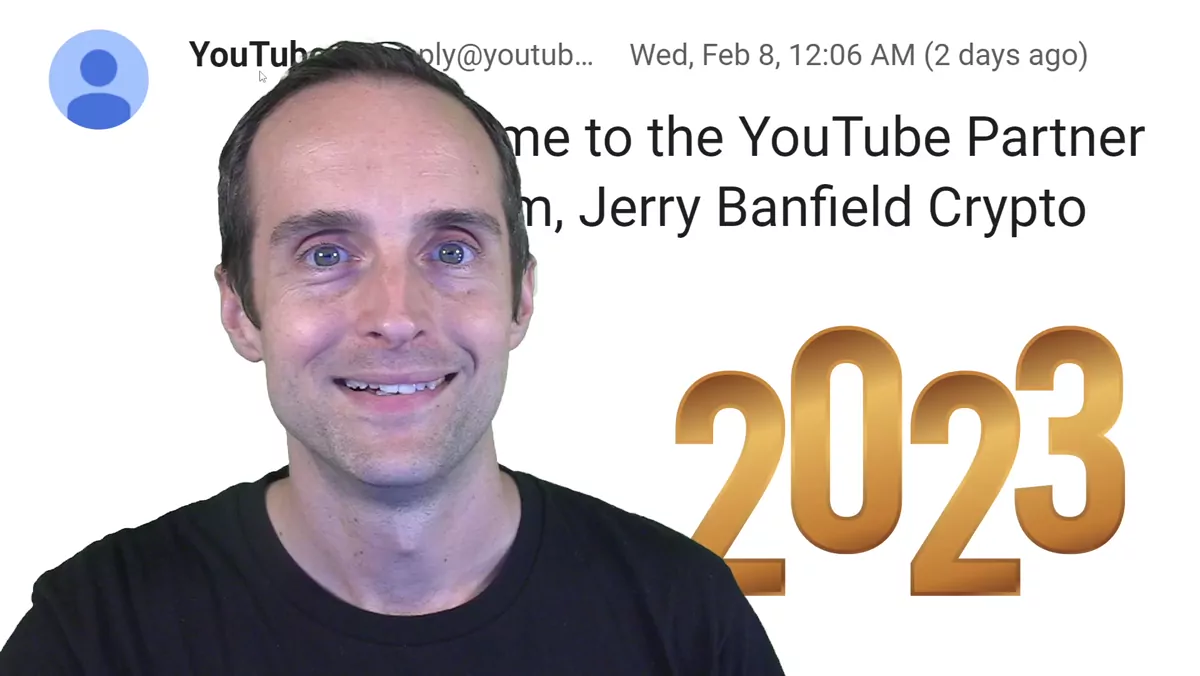
My friends, you are about to learn how I got a brand new channel on YouTube monetized and into the partner program within 40 days of uploading my first video. I've built an audience of people hungry for more videos, and in my experience that should equal hundreds if not thousands of dollars a month in ad revenue. If you're a YouTuber, you'll want to read all of this, especially if you're thinking about starting a new YouTube channel. And even if you don't have a channel, or you already have one and you don't think you need another, I believe this will still be helpful for you.
Let me walk you through the proof from my analytics. I got the email from YouTube saying I've been accepted into the partner program. Once you hit the 4,000 watch hours or the shorts threshold, you go to the application: you hit the Apply Now button, review the terms, get your Google AdSense account set up (or connect it if you already have one), and then get reviewed. That entire process only took about two days for my channel, even though it says it can take up to a month.
Now, I'm not brand new to YouTube. I've been on YouTube since 2011. I make new videos and they hardly get any views. So I started four new channels. Not just one, four. And I could barely even use my existing channel to get any traffic. It was so bad. So if you're a YouTuber who's already got a bigger channel that isn't getting as many views as you think it should, I'd suggest starting at least one, if not multiple, new channels. I started four because I'm a full-time YouTuber and I've learned the very hard way that you need to segment your audience. I have people who want business videos, people who want recovery videos, people who want gaming videos, and people who want crypto videos. And my crypto channel is the one that's taken off.
Not all YouTube channels are created equal
The first key lesson you absolutely want to get down is that not all YouTube channels are created equal. You want to think supply and demand for YouTube. Where are you really needed as a creator? There's a ton of people who want crypto videos and information on YouTube, and there aren't that many crypto YouTubers, especially ones who make quality content that's original thinking and who consistently crank it out. In my experience, crypto YouTube is one of the easiest places to grow a new channel. So think carefully about the kind of channel you create, or just create multiple channels and try them out. If you're brand new to YouTube, you can do a generic channel just to experiment and play around with it. But for the long term, you need to niche your channels down into exactly what you want to make videos about, because the YouTube algorithm punishes you. If you're on a main channel like I've had for years and you put out gaming videos and all kinds of different videos, that is going to wreck your algorithm.
So let me show you inside my channel analytics. I've got about one day of revenue so far, not even a full day, and it's come in at seven bucks, which is great. This is my crypto channel. I've made a video most days, although I took a week off trying to do a Mr. Beast style go-all-in and make a really great video. For me, and for my crypto YouTube people, and for my particular style, what works is to just grind out a video almost every day and give the real, raw, authentic side of me. This is where you've got to know your value proposition and your audience. On crypto YouTube, people generally want updates almost every day. So if you look at my videos, I put out a video almost every day: the 10th, the 9th, the 8th, the 7th, the 6th, and so on. I took one day off there, and I took about a week off there.
And you'll notice in my analytics that my growth has mainly come from cranking these videos out each day. When I stopped putting videos out each day, it kind of went flat. Then I go back to putting videos out each day and it really cranks up again. Crypto YouTube is very much a "what's happening today" kind of experience. Whereas other channels, like Mr. Beast putting videos out for a very general audience, his videos are just as watchable, often even more watchable, a year or two after he's done them. In something like crypto, people want the newest videos all the time, which means there's a great opportunity for creators.
Getting the watch hours: video length matters
The key to getting monetized is getting those watch hours. So you'll want to know how long I made my videos, what the topics were, and where I got my traffic. Most of my videos, although I've done some that are seven or eight minutes, average out shorter. If you look at my top videos: this Cardano video averages three minutes of views, this Stellar video two minutes, then the CRO video three minutes. My watch times run anywhere from two minutes at the lowest for a seven-minute video, up to over five minutes for longer videos.
So if you want to get monetized faster on YouTube, you really want to make longer videos, because longer videos give you more watch time. If you look at my watch time, the longer a video is, the more watch time you can get, which makes it much, much easier. My sweet spot has generally been cranking out videos around 10, 15, or 20 minutes. Sometimes you get a bit too lengthy and people won't even click on it because they see it's so long. People like to finish a video. But my videos here have averaged maybe 15 to 20 minutes long.
Where my traffic actually came from
Now let's take a look at where I actually got my traffic, because this goes against a lot of what you might see from YouTubers trying to tell you how to build a channel. If you look at my views and the click-through rate, this is a solid click-through rate on cold traffic, people who have not seen you before. Once people get to see you and recognize you, you should be able to get even higher, but for cold traffic this is pretty good. And what's amazing is half a million impressions on a brand new channel. Clearly this works better than trying to go the shorts route: I did one short-form video and the rest long-form. If you want to get monetized, the long form is generally going to be a lot easier, because getting 10 million shorts views basically means you need a video to go viral. Otherwise, do the math yourself: if you can crank out shorts that get 2,500 views, you're going to need quite a few videos to get monetized. Whereas if you can crank out videos that get an average of four minutes watched each, that's going to be a lot faster.
If we scroll down and look at my traffic, this is what you need to do if you really want to grow a channel. You need to get hits in YouTube search, because the browse features are often stupidly competitive, especially in areas like gaming and general entertainment, where you've got so many people aiming for those and such a history of videos. The majority of my traffic has come from YouTube search, and I've made my videos with YouTube search in mind. If you look at my top videos, they're specifically targeting YouTube search. I was targeting people looking for information about Cardano, so I put both the name of the crypto and the abbreviation, I put the word crypto in my title, and I put the image of the crypto in my thumbnail to maximize my search traffic. Same thing on Stellar, same thing on CRO.
For Bitcoin, I tried something different. I took an idea I saw somebody else make a video on, I literally copied the exact same title, and I did my own take on it. If you're wondering where to get titles that people will click on, just look around and you can literally copy the exact same title. You could even copy a similar thumbnail format. A lot of people have already done the research, so you can see what works in the algorithm. It's not hard. I actually came up with some of these title ideas myself; I hadn't seen anybody do them just like that, but now I already see people on crypto YouTube copying my title format, and it's working good for them too, which is hilarious. So there's a lot of copying. If you see something else that's great, just take it, execute, and deliver better on it than somebody else has. Comparing Gala to Bitcoin was an original idea too, for example. I did some reviews and experimented, but basically my content strategy was to get in those YouTube search results.
Then, once somebody's watched one of my videos in YouTube search, I've got a better chance to show up in their browse features, especially since I've got a pretty high percentage of likes on most of my videos. Somebody actually watched five minutes of a video and dropped a like. Then when I put out another video, I've got a great chance to get into their browse feed, and that's where you build a relationship over time. When somebody who found me in YouTube search sees me show up in their browse feed and likes that video, now I've got the chance to go out even more in the browse feed, because YouTube's got data that says people like this in the browse feed. Whereas getting into the browse feed through cold traffic can be difficult.
If you're wondering how to get that initial traffic on your videos, you need to understand this: you need some initial traffic on your videos to have a chance to climb up into YouTube search. And that's been my key to getting into YouTube search, on my first few videos and every video since. When I release a video, I share it out directly on Twitter. What's nice is I share all my different YouTube channels out to the same Twitter account. Then I go on Facebook and share the same thing out to Facebook. Even if I don't get that many views this way, if you look at my external traffic, it's a small percentage, only a couple of thousand views out of the total. But the biggest difference in the world is just getting a little bit of traffic versus nothing at all.
You need 20 raving fans to trigger the algorithm
It's essential to understand what happened when I first put my videos out. If you go back to my earliest uploads, those first few videos have actually gotten a lot more traffic since then from all different types of sources. But when I first published them, this one got maybe 50 or a hundred views. That one is still about where it started. And this one got 50 or a hundred views, same with the next. They've all gotten more over time as people found me in search and went back to watch older videos.
If you're going to make videos, in my experience you need at a minimum 20 people, 20 raving fans who are willing to watch all of your videos all the way through. That's the threshold you need to break into YouTube search, because a lot of YouTubers, probably the majority, don't even have 20 people who will come to YouTube every time they post and watch the entire video. I set 20 as the absolute bare minimum to scratch the surface and trigger the algorithm. Many others might come through and watch a little bit, not even like it, and leave. But if you get 20 people who watch every video all the way through, that's what you need to trigger all that other traffic. Obviously, the more you can get, the better. On my initial videos there were about 20 hardcore fans who, every time I put a video out, would immediately go watch the whole thing. That's what you need.
How to get that first bit of traffic
If you don't have much of a following on social media, you can obviously share there, but my own social traffic has been pretty dead. You could probably scare up 50 or 100 impressions on Twitter, maybe a couple hundred. On my Facebook page, even though I've got millions of followers, the traffic is just dead. I'm lucky to get a couple of likes and a couple of clicks. So you don't have to have that many people on social media. What helps a lot is to send messages to people directly. The smaller your engaged following is, the more you should just direct message people the moment your video comes out.
Another thing I did to share my videos, and it has only gotten a small amount of traffic, ties into the fact that I'm making crypto videos. I post my crypto videos to DTube, which is a blockchain alternative to YouTube. It's very quick and easy, and I've already made a video about it on my crypto channel. Then I share it out to some of these decentralized social media websites built on crypto, and on these I actually earn a bit of money, a dollar or a couple of dollars a post. DTube is my favorite decentralized crypto social video platform. There's also Hive and Steemit you can go to. You can find my profile at steemit.com/@jerrybanfield, and the same at hive.blog/@jerrybanfield. I found these communities that are very specifically related to what I'm doing, and I've posted a lot of videos there. It hasn't gotten that many views if you look at the analytics, but it was essential to getting the videos started and getting that initial traffic moving.
So when you look at my sources, you've got Facebook and Twitter, then WhatsApp from people messaging others with my videos, then DTube, then Blurt blog down at the bottom. The Facebook traffic got a lower watch time than usual. The Twitter traffic has been high quality. The secret is simple: it's up to you to get the initial traffic, at least 20, if not 100 views on your video.
The three keys to a quality video
If you've made a quality video, you might ask what I even mean by quality. There are three key aspects of quality on YouTube. First, and most important, is your idea. The idea you have for a video determines its whole potential. Take this one: I saw somebody else do a top five AI crypto altcoins video. I literally took the exact same title, put a thumbnail on it that I thought was nice, and threw it up. I saw people talking about Gala Games, so I did a video saying I bought Gala Games and I'll be a crypto millionaire. These are simple and straightforward.
The second key is thumbnails. I tested getting my thumbnails designed by a graphic designer. This Gala one I had done by a graphic designer, this one I did myself, and honestly you can't really tell the difference. Clearly I don't need a graphic designer to get views, but you do need video ideas that people are actually interested in. That's what's more difficult on a gaming, business, recovery, or general channel versus something specific like crypto. I know crypto, so I know what titles other people are using, and I can innovate and make my own. I do both: I make thumbnails that are simple and give a clear indication of what the video is about, and I innovate on titles.
The third key is execution, and my style, the easiest style to do, is to just be real and authentic and raw and unedited. This lets me grind out videos, which lets me fail faster, test faster, and see what people like and don't like so I can do more of what works. If you spend a ton of time and energy trying to make one perfect video, you'll often be devastated when it does poorly. MrBeast's advice is to just grind out 100 videos and improve a little bit on each one. Along with that, you need your own unique style that works. For me, raw, generally unedited, straight off the top of my head is the style that works. Yes, my videos get longer. Yes, some people get tired of my rambling. But I'm able to make as many as five videos a day for five different YouTube channels, and that gives me a lot of chances at success, especially on this business channel.
I just rip other people's titles. This one I've seen so many others do, so I literally took the exact same title and did my own version, very quick. I took this one right off somebody else's idea. Same with this one, and this is a similar theme I've shared before. I just take somebody else's idea, which they probably took from somebody else too, quickly share my thoughts on it, and upload. It's a very effective formula that has worked really well on my crypto channel.
Pick topics you'd love to make forever
The question then becomes how I keep doing this going forward. The last thing to consider with your channel is whether it's something you would love to do indefinitely, because if you hate making crypto videos, you probably don't want to grind them out for years. I'm passionate about crypto. I see it as part of a financial revolution, and I can easily crank a crypto video out every day for years. I've figured out by testing which topics I love and enjoy. I know I can make gaming videos, business videos, recovery videos, and vlogs indefinitely. So I've found the areas I love creating in, and I've dropped the areas I don't love. This is the inside look at exactly how I got my channel monetized.
Returning viewers are what YouTube really wants
The last thing to look at is returning viewers, one of the big things YouTube cares about. You've got your thumbnail, your idea, your title, and your execution in the video, and then the last key thing YouTube cares about is returning viewers. YouTube wants to see channels where people keep coming back over and over again. This can take a little time and momentum to get going. Across my lifetime on the channel, when you first start you obviously won't have any returning viewers. But even if you can just get about 20 people, and this is why I keep coming back to that number of 20, to return to your channel, it sets the algorithm in motion. Then, as YouTube shows your content to more people, the thing you really need to work on is whether the people who see your videos want to come back.
You can't control whether someone who found you in search also gets shown your video in browse features, but you can do your best on each video. Notice I had fewer returning viewers during one stretch: when I took a week off from making videos, my returning viewers started to dwindle a little. Then I came back to making videos, and my returning viewers went back up. What YouTube really wants to see on a channel is your returning viewers going up. You can also see down there which of your videos brought a lot of people back, and that's an indication of what you might want to make more of. On mine, I can see that Cardano and Algorand were videos where people who watched them chose to come back for my new ones.
If you can keep increasing your returning viewers, your channel will build really solid momentum. That's the trick: make videos that hit in YouTube search and that the people who find them want to come back for. For example, if I just crank out gaming tutorials for one specific game, I can get into search, but a lot of the time the person who finds that video won't care to come back for my other random gaming tutorials. With crypto, though, I cover all these different projects, so if someone watched one project, there's a good chance they'll be interested in a different project I'm covering too.
This can obviously be challenging, and if you want to make it easier, there's always an easier path: networking makes everything a lot easier for you. If you want to network with me, and you're one of the few people who read all the way to the end, the best way to do that today is to set up a call with me. Everybody in here is intent on building the financial future they want, and if you're creating on YouTube, it's worth asking yourself why. What kind of financial future do you want to have? This is the one single community I've built as the best place to network with me, where I'm available every day and where people like me are joining every day.
A community built for creators
If you're a YouTube creator, this is something I've built as a community that I believe will be outstanding for you to join, where you can work on not just your YouTube channel but the bigger picture of how your YouTube channel fits into your entire financial life and your entire lifestyle. We have a Discord server where we share our net worth each month. I just started this group, and we're already up to five members. We've got channels in there about all the things that we do, all kinds of different subjects related to being a millionaire. There's a channel just for creators, and if we get enough YouTubers, there'll be a channel just for YouTubers.
So if you want to accelerate and make things easier, come network with me by booking a one-on-one call with me. I've been on YouTube almost 12 years now. I've learned a lot the hard way, and I'm here to help you every day. I'm here to answer any questions you have.
How knowing the right people accelerated my crypto channel
There's one more thing I do need to mention. One thing that made my channel grow a lot faster on crypto is that I know two crypto YouTubers. One is Joe Paris, and Joe Paris invited me in. I also know Supoman Crypto, who streams on Twitch now mostly, and some of his community came over to my YouTube channel as well. Both of their tutelage, both of them showing me how they do their crypto channels, made it a lot easier for me to see how to do mine.
When you know other people who are already wherever you want to go, it makes it so much easier to get there. That's exactly why I've built this community. If you want to be a millionaire, if you want to be a full-time YouTuber and creator online, you can make it a whole lot easier on yourself by surrounding yourself with people who are doing it. If you want to go deeper on the channel-building side of all this, I've put a lot of what I've learned into my YouTube Coaching playlist.
I appreciate you making it all the way to the end. I hope it was fantastically useful for you, and I hope you become a returning viewer if you've stayed with me this long.